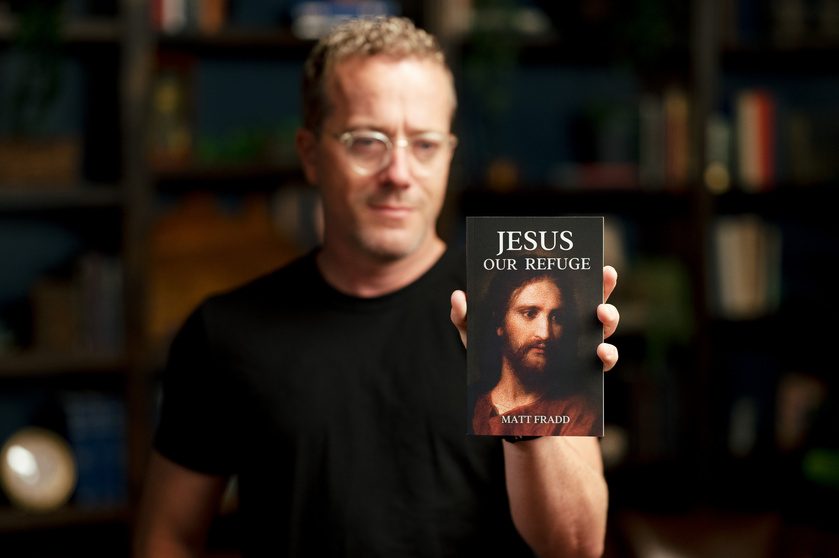
Reading up on the Role of a Godfather as I take on this responsibility tomorrow (Saturday 5/16)
The Role of a Godfather 👑
A godparent—whether godfather or godmother—is far more than a ceremonial title: it is a sacred responsibility to shepherd a child toward Christ and support the child's parents in raising them in the faith.
What a Godparent Promises
At baptism, the godparent makes solemn promises before the Church: to renounce Satan, to believe in Christ, and to live as a faithful Catholic. These are not promises made for the child, but promises the godparent themselves makes as a public witness. The godparent stands as a living reminder that the child belongs to the communion of saints and to the body of Christ.
The Spiritual Mission
The primary duty of a godparent is spiritual formation. This means:
- Living the Catholic faith visibly and authentically so the child sees what it means to follow Christ
- Teaching the child prayers, Scripture, and the truths of the faith as the child grows
- Encouraging the child toward the sacraments—especially Eucharist and Confirmation
- Praying regularly for the child's spiritual welfare
- Stepping in to guide the child spiritually if the parents are unable or unwilling to do so
The godfather is not a substitute parent, but he is a spiritual anchor—someone the child can look to and say, "That is what a Christian man looks like."
The Practical Role
Beyond the spiritual, a godparent is also a trusted presence in the child's life:
- Attending important milestones—First Communion, Confirmation, graduation
- Being available to listen and counsel when the child faces moral or spiritual struggles
- Modeling integrity, virtue, and faithfulness in everyday life
- Maintaining a genuine relationship with the godchild, not merely a ceremonial one
The Church's Requirements
Canon Law is clear about who may serve as a godparent. A godparent must be:
- A baptized Catholic in good standing with the Church
- At least 16 years old
- Confirmed (ideally, though not absolutely required)
- Living a life consistent with Catholic teaching—this means not in an invalid marriage, not publicly rejecting Church teaching, and striving to practice the faith
- Chosen freely by the child's parents, not by coercion or social pressure
A godparent who falls away from the faith or begins living in serious contradiction to it does not automatically lose the title, but fails in the duty.
Why This Matters
In a culture hostile to faith, a godparent becomes a prophetic witness. The child may grow up in a secularized home, surrounded by anti-Christian voices, or facing trials that shake their faith. The godfather—present, faithful, prayerful—becomes a living sign that God does not abandon His children. This is not sentimental; it is essential to how the Church raises saints.
Here's something worth sitting with: if you are being asked to be a godfather, or if you are one, are you prepared to let your own walk with Christ become visible and accountable to a child who is watching?