Jesus: The Alpha and the Omega
There is no title in all of Scripture that more boldly declares the full divinity of Christ than this one. It is not merely a poetic flourish — it is a thunderclap of revelation.
The Title in Scripture
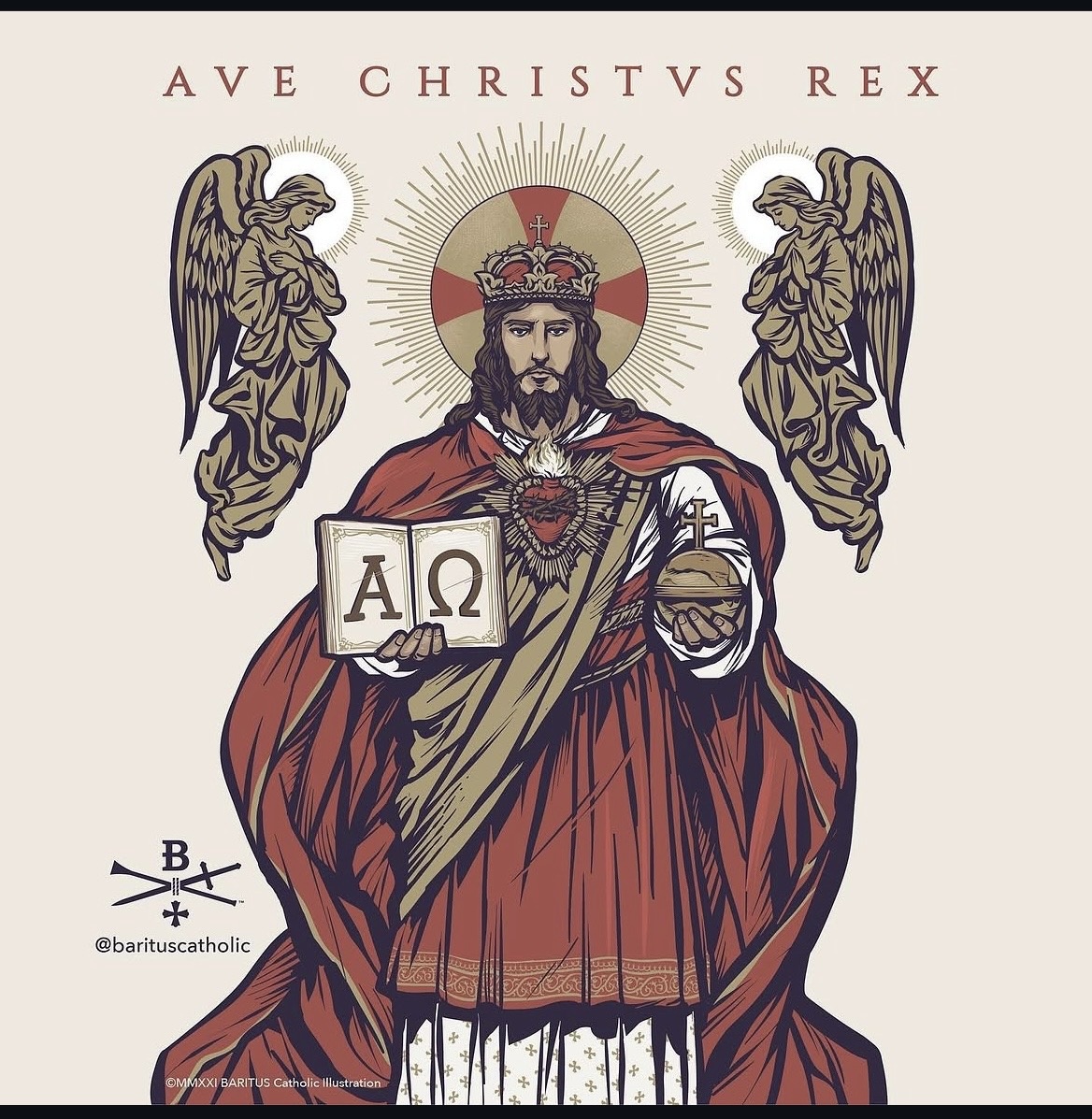
In the Book of Revelation, Christ identifies Himself as "the Alpha and the Omega, the first and the last, the beginning and the end." Found three times in Revelation, this title uses the first and last letters of the Greek alphabet to make a staggering claim: Jesus isn't just eternal — He is the source and goal of everything that exists.
Most significantly, Christ Himself claims the Alpha and Omega title in Revelation 22:13. This self-identification asserts His divinity in the strongest possible terms. By taking to Himself the title that God the Father uses in earlier chapters of Revelation, Jesus claims equality with the Father and shares in the divine nature.
Rooted in the Old Testament
This title does not appear from nowhere. As the Alpha and Omega, Jesus connects Himself with statements of God from the Old Testament such as Isaiah 44:6 and Isaiah 48:12, which refer to the eternality and pre-existence of God before the dawn of time.
The Alpha and Omega title connects to God's self-revelation in the Old Testament, particularly the divine name YHWH revealed to Moses at the burning bush. When Moses asked God's name, God replied, "I AM WHO I AM," instructing Moses to tell the Israelites that "I AM sent me to you." This mysterious name emphasizes God's absolute existence and self-sufficiency.
Jesus used the same language in John 8:58, saying "before Abraham was born, I am." Jesus, the speaker of "I am the Alpha and the Omega" in Revelation 1:8, is the same God who appeared visibly to Moses in the burning bush.
What It Means Theologically
The Alpha and Omega symbol expresses the Christian doctrine that God exists eternally, without beginning or end. This stands in sharp contrast to created beings, all of whom came into existence at some point. God alone is self-existent, depending on nothing outside Himself for His being.
The Alpha and Omega symbolize the oneness in the divine nature of God the Father and Jesus His Son. Their divine nature is exactly and entirely identical.
Catholic theology sees the Alpha and Omega symbol as revealing the unity between creation and redemption. The same divine Word who existed from the beginning and through whom all things were made is the one who became incarnate to redeem what He had created. This unity of Creator and Redeemer means that salvation is not an afterthought or emergency response to human sin, but flows from God's eternal plan. The Alpha who began creation is also the Omega who will bring it to completion.
Its Eschatological Power
The Alpha and Omega symbol carries strong eschatological meaning, pointing toward the final fulfillment of God's plan for creation. When Christ identifies Himself as the Omega, He is claiming authority over the end of history and the final judgment. This provides Christians with confidence that history is not random or meaningless but moves toward a definite goal determined by God.
The title of Jesus as Alpha and Omega in Revelation assures the fulfillment of the eschatological events described in Revelation. The assurance is built on the fact that Jesus Christ is in control of historical events since the beginning, along the historical timeline, and until the end.
Comfort for the Journey
The symbol assures Christians that the same Christ who created the world and will judge it at the end of time is present with them in their current struggles and joys. This confidence in Christ's comprehensive authority and presence provides comfort in suffering and encouragement in service.
Death is real but not ultimate. Christ who is the beginning and end holds all human lives within His eternal purposes and will not let death have the final word.
To call Jesus the Alpha and the Omega is to confess everything: that He is God, that all of creation flows from Him and returns to Him, and that the whole of history — every joy, every sorrow, every human life — is held securely in His hands.
So here is the question worth sitting with: If Jesus truly stands at the beginning and end of all things, what would it look like to consciously place every moment in between — your work, your relationships, your fears, your future — under His lordship today?