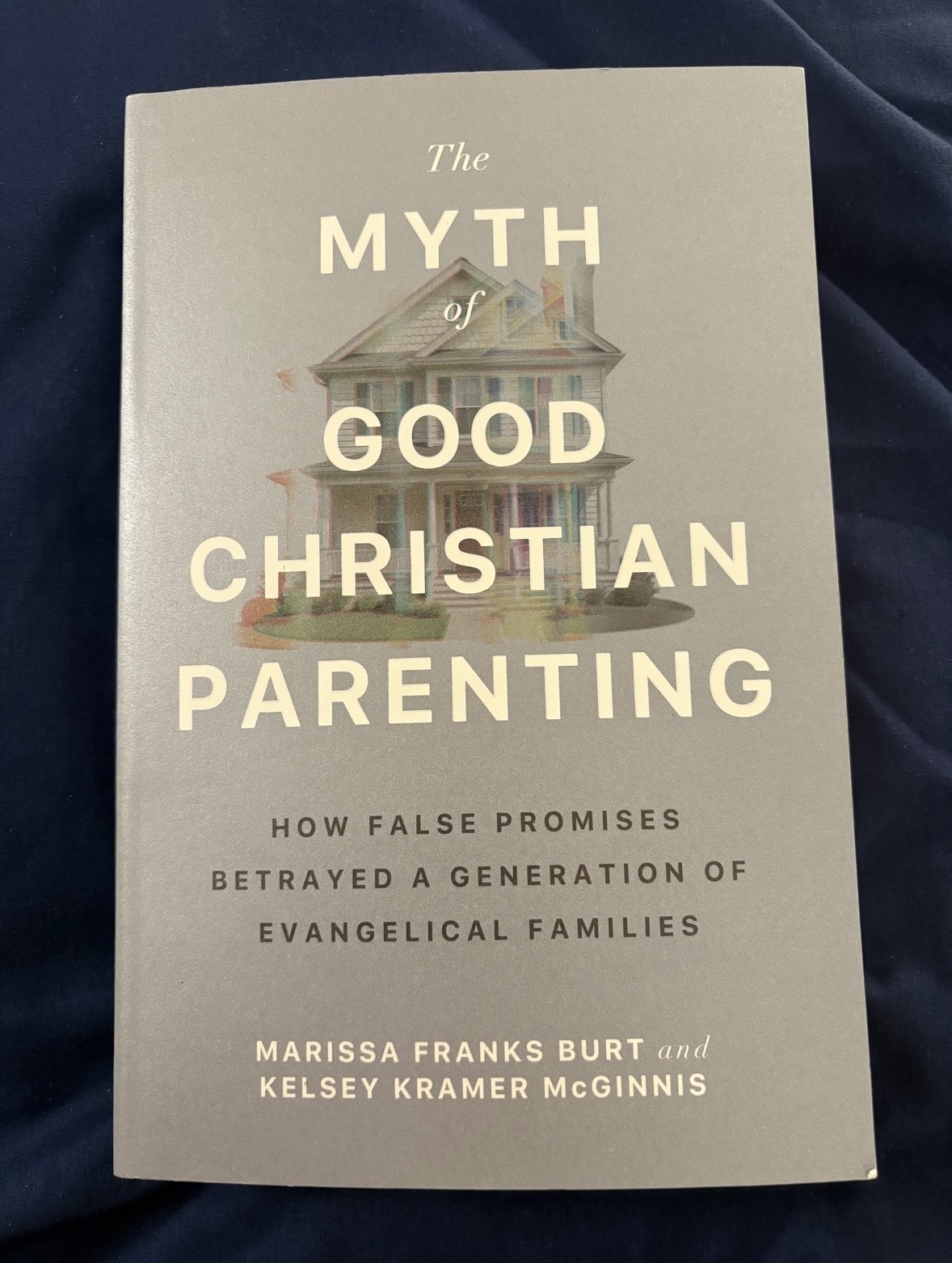
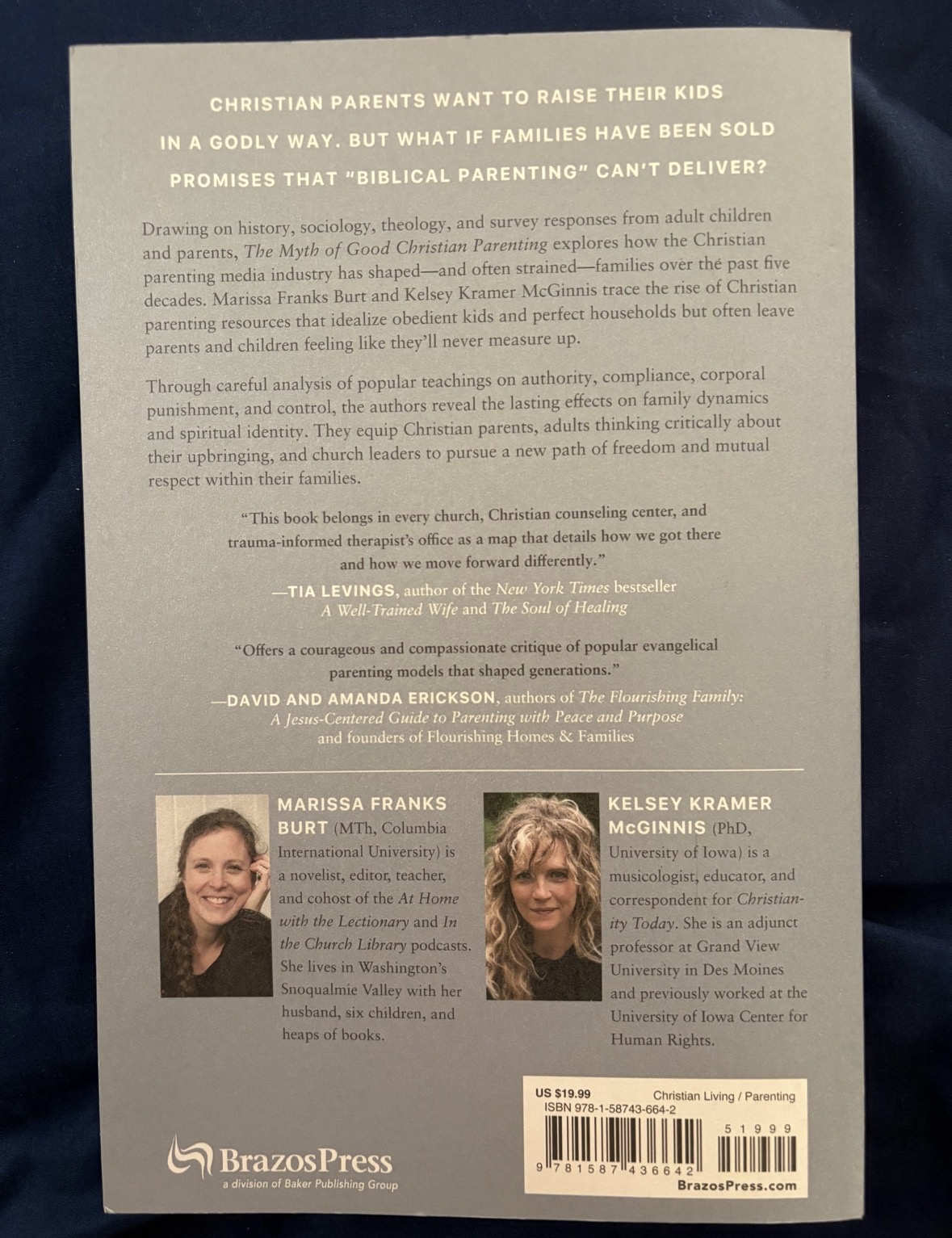
My Review of “The Myth of Good Christian Parenting: How False Promises Betrayed a Generation of Evangelical Families”
I read this book by Protestant authors Marissa Burt and Kelsey McGinnis, and my overall opinion is very positive. I highly recommend it as an important conversation starter for Christian communities and these audiences: people wanting tips to evaluate parenting resources; parents or their grown children wanting to have closure and feel seen after wounded upbringings; and people wanting to become more aware of children’s rights issues.
As the preface and introduction state, Marissa and Kelsey set out to deconstruct various myths that have especially pervaded Evangelical and Fundamentalist parenting literature, regarding what harmful practices and mindsets are still considered normative in Christian households and what they are promised to yield. Both authors have prior experience with novel writing, journalism, teaching, and theological commentaries. Marissa is also the wife of an Anglican priest. They bring to light the flawed theology behind those myths and the harmful fruits they bore, including testimonies by parents and adult children they interviewed. That is, while fairly giving the cultural context behind the authors who spread those myths and refraining from judgement on their motives. They show grace and empathy towards parents who naively followed those harmful practices and now regret it, plus grant that many of those parenting resources did feature some genuinely good advice and not everyone had the same negative impacts. At just over two hundred pages, I found it a fairly quick and digestible read that tackles many topics like these: the history of Christian parenting literature; their proneness to prosperity gospel-like promises and one-size-fits-all prescriptions; the false dichotomy of authoritarian vs. permissive parenting; certain practices with tenuous links to scripture being touted as the definitive Biblical way; the pressure Christian parents feel to raise their kids amidst the errors of an increasingly secular society; times where Christianity is needlessly pitted against secular norms and research; the rights and dignity of children; Calvinism’s negative influences on parenting; plus the many potential harms of corporal punishment. My one drawback is that a few areas in the book could have addressed their topics more fully, plus showed more Catholic perspectives. But overall, it was a meaningful and satisfying read. While the focus is more on those myths affecting certain Protestant subcultures, I recommend it to Catholics too. Catholics are not fully unified on these issues, and Christians are called to address all errors, including those of fellow Christians and especially when they drive people away from the faith.
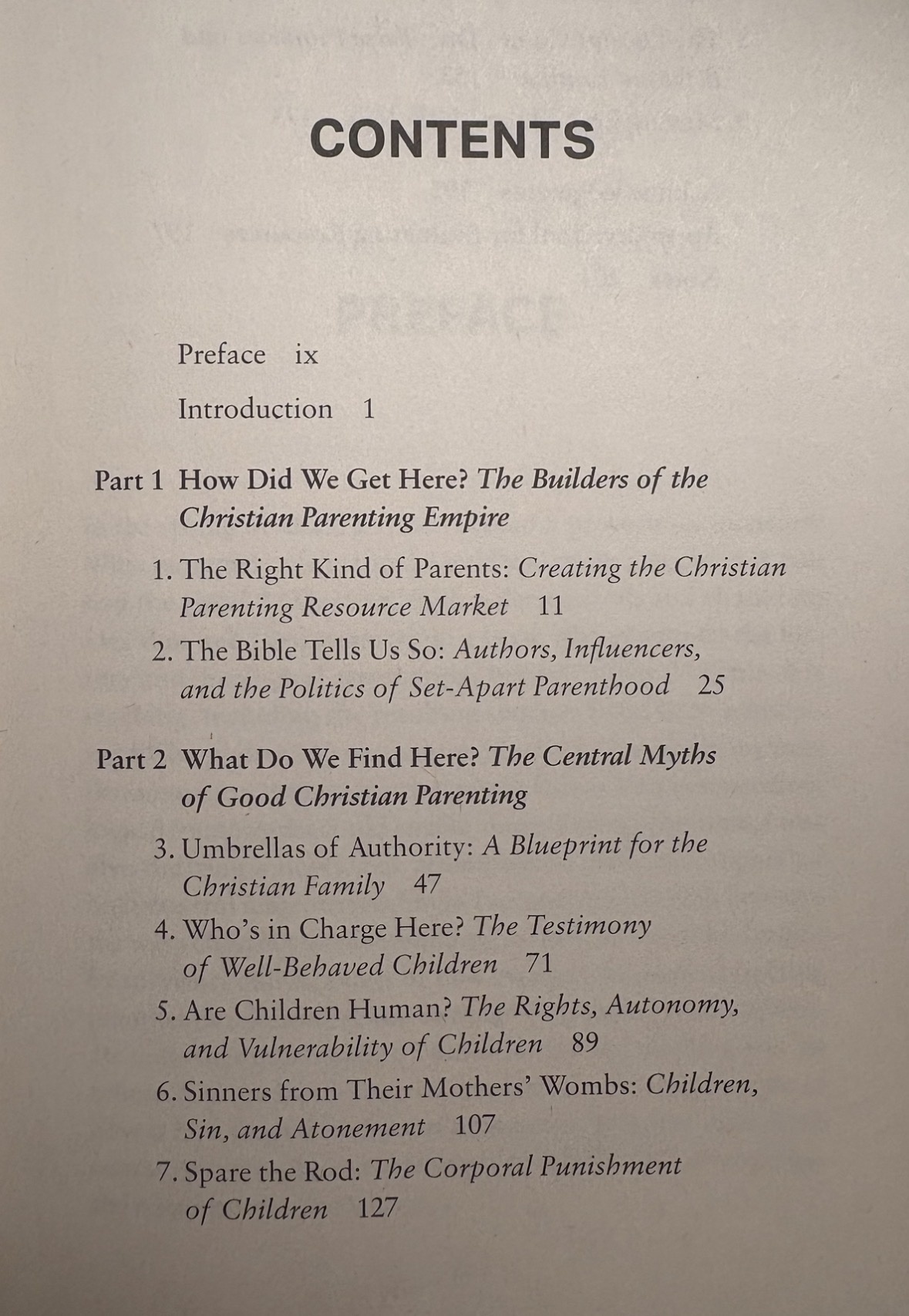
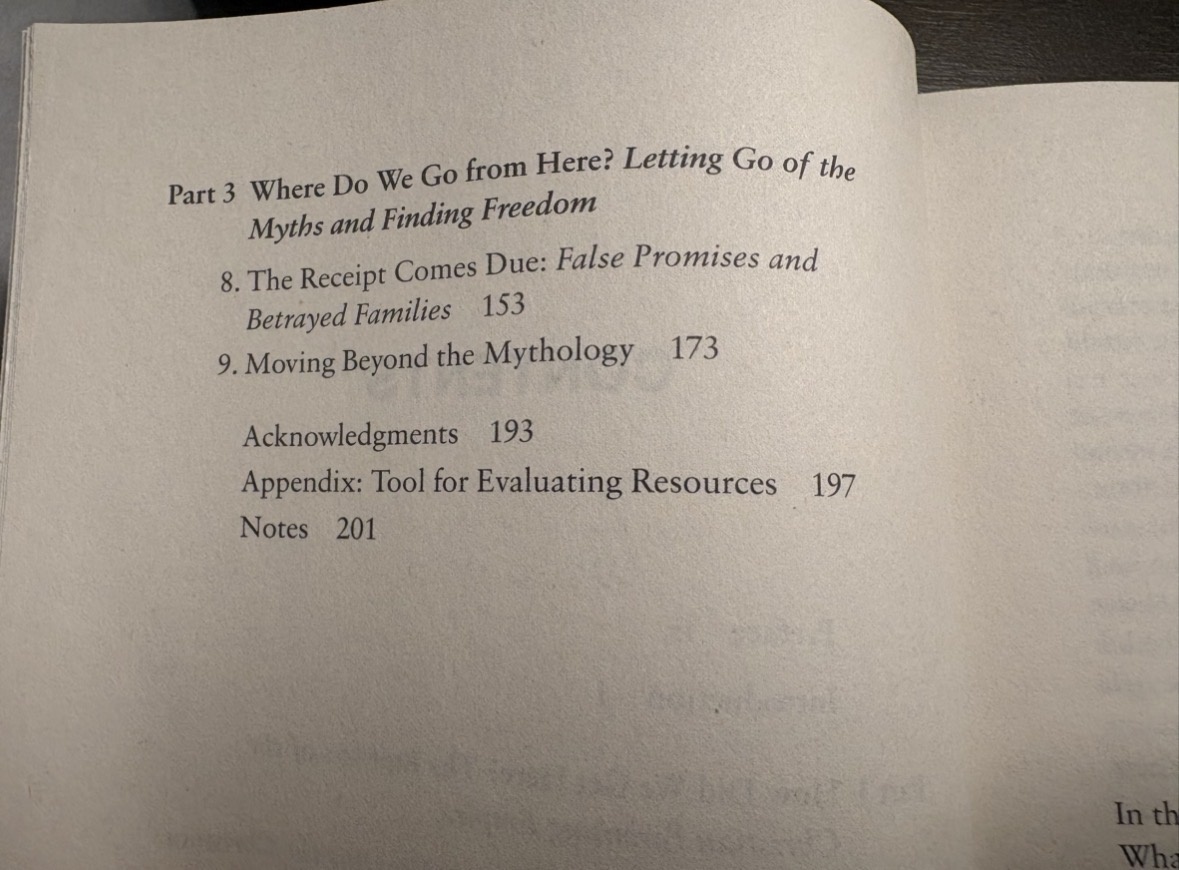
The book’s main body has three sections. The first section outlines many factors existing since the early 20th century, which influenced the Christian parenting resource market. Its chapters are “The Right Kind of Parents…” and “The Bible Tells Us So…”. The second section has five chapters, each identifying a facet of Christian family advice that has been marred by myths: “Umbrellas of Authority…”, “Who’s in Charge Here? The Testimony of Well-Behaved Children”, “Are Children Human? The Rights, Autonomy, and Vulnerability of Children”, "Sinners from Their Mothers' Wombs…", and "Spare the Rod…". The third section advises how people could work to pick up the pieces going forward and not repeat those harms: "The Receipt Comes Due…" and "Moving Beyond the Mythology".
The first two chapters dissect the complex cultural factors, which have enabled faulty Christian parenting literature to thrive and may have made misguided people feel sincerely compelled to write them. Marissa and Kelsey show family norms shifting before the 60’s, such as teens’ growing independence and more women in the workforce. After 1960, issues like gay rights came to light and new moral anxieties like the sexual revolution, Roe v. Wade, drugs, eugenics, and political fractures emerged. These developments and anxieties have grown with the internet age, influencer culture, the polarizing administrations of Trump and Biden, discourse over trans rights and ideologies, etc. Christians have had to reapply their faith and discern where change should be embraced or opposed. Also, some Protestants’ insular subcultures foster echo chambers. Amid this, people may turn to any “successful” person offering the panacea for raising the next generation “right”, like Focus on the Family’s controversial founder Dr. James Dobson. But, as they quote G.K. Chesterton, “a millionaire is successful in being a millionaire and a donkey in being a donkey”. And whether intended or not, such rhetoric instilled prosperity gospel-like promises to raise the ideal child who will think and vote like them. Thus, lack of “correct” child discipline became a scapegoat, pressuring parents with heavy stakes.
A recurring theme is the subcultures’ reductive views of discipline, which focus disproportionately on punishment and control at the cost of discipleship’s greater aspects. Marissa and Kelsey emphasize children as our newest and most helpless neighbors. So if a child is to be discipled on how to love their neighbor as oneself, then discipline must show their dignity as imagers of God. This includes autonomy to think and feel as their own individuals, within reasonable boundaries. Some cited Evangelical writers sought this balance, such as Dr. Henry Cloud and Dr. John Townsend. But more often, children are spoken of as needing their wills “broken”, so they model instant first-time obedience with cheerful façades and zero questioning of authority. Enforcing the chain of obedience from children to wives, to husbands, and to the head pastor is made the highest good. Wives are denied rights and protections in the name of male headship. Pastors and other fallible authority figures are not challenged when needed. Dangerously, the book “On Becoming Babywise…” led to infant malnutrition, when its careless words made parents ignore their baby’s cries for milk so they would conform to adult schedules. Also, children are taught what to think but not how to think. One example cited is Ken Ham’s decrying of public schools as indoctrination, while his own ideals echo indoctrination. This makes a child less able to form and defend a proper faith, thus more likely to lose it when they do meet the outside world.
The chapter, “Sinners from Their Mothers' Wombs…”, shows how Calvinism’s errors regarding the doctrines of Total Depravity and Penal Substitution have also harmed Evangelical parenting. The Catholic view of the Fall is that human nature, although wounded by Original Sin and in need of grace to attain salvation, is still fundamentally good. Many Protestants are aligned with this view. But John Calvin’s doctrine of Total Depravity asserts humanity is so enslaved by concupiscence that nobody is capable of any natural good at all. Many of the authors critiqued by Marissa and Kelsey apply this to children, viewing even toddlers as willfully wicked sinners who can only be punished into submission. So any child’s misbehavior, inconvenient desire, or even struggle with communicating and emotional regulation is seen as sinful rebellion against God. Some worsen this by discounting the age of reason concept, power of infant baptism, basic science of child development, and reality of conditions like neurodivergence. Marissa and Kelsey also reference the many proposed models of Christ’s atonement, involving one or a combination of ideas like Ransom Theory, Christus Victor, Moral Influence Theory, and Vicarious Satisfaction. Catholicism affirms Vicarious Satisfaction as a legitimate facet of Christ’s atonement, through the voluntary outpouring of his self-sacrificing love in payment for Man’s sins. However, Calvin preached a problematic form of Vicarious Satisfaction called Penal Substitutionary Atonement (PSA). It asserts that the price of Man’s sin was paid by God the Father literally, directly, and wrathfully punishing the innocent Jesus in our place on the cross. Marissa and Kelsey criticize some influential Protestants’ tendency to frame PSA as the one and only view of Christ’s sacrifice. This can twist one’s understanding of not only God’s justice and mercy, but also how parents are to enforce authority over their children, worsening the problem outlined in “Spare the rod…”.
“Spare the Rod…” outlines how the absolutist touting of corporal punishment as the unquestionable core of “Biblical” discipline has caused much harm. James Dobson, John Piper, Doug Wilson, Bruce Ray, Tedd Tripp, Michael Pearl, and others mainly push this view by drawing from the Book of Proverbs’ controversially worded “shebet” (“rod”) verses, namely 13:24, 22:15, 23:13-14, and 29:15. Marissa and Kelsey critique their selective and reductive interpretations on what kind of “shebet” is being referenced and how to apply the proverbs’ underlying wisdom in light of Christ. The critiqued authors not only equate lack of corporal punishment with no discipline at all, but even tell parents they are defying God and leading their kids into delinquency and Hell, by not following their manmade procedures for physical discipline. This rhetoric both pressures well-meaning parents and empowers corrupt parents to physically abuse their children. Kids from infants to teens are treated as fair game and left to the mercy of nebulous, subjective goalposts for how far is too far. Michael Pearl’s “To Train Up a Child” was even linked to at least three notorious child deaths. Even when parents use physical discipline “correctly” as instructed and also leave no physical damage, the specific methods promoted can still inflict and/or enable other harms. They include spiritual abuse, emotional harm, violent tendencies, associating violence with affection in relationships, etc. Marissa and Kelsey also call out the elephant in room, how corporal punishment in the specific form of spanking targets an area of the body that is both culturally and physiologically sexual. They don’t hold back in sharing arguments, studies, crime reports, and even respondents’ anecdotes that warn how normalizing the endorsed spanking rituals invites sexual harm too. It normalizes degrading violence against one’s sexual boundaries, risks parents unintentionally scarring their kids in ways akin to sexual assault, and has even enabled predators. One example is convicted child molester Jonathan S. Russell, who used Ted Tripp’s “Shepherding a Child’s Heart” to mask his physical and sexual abuse as godly discipline. Finally, cited studies conclude that such methods’ best-case scenario is merely that a child “turned out fine” in spite of all the potential harms. They are unlikely to gain any benefit which more humane disciplinary methods cannot also achieve. Yet these practices continue to be sanctioned, even in some American public schools and church settings.
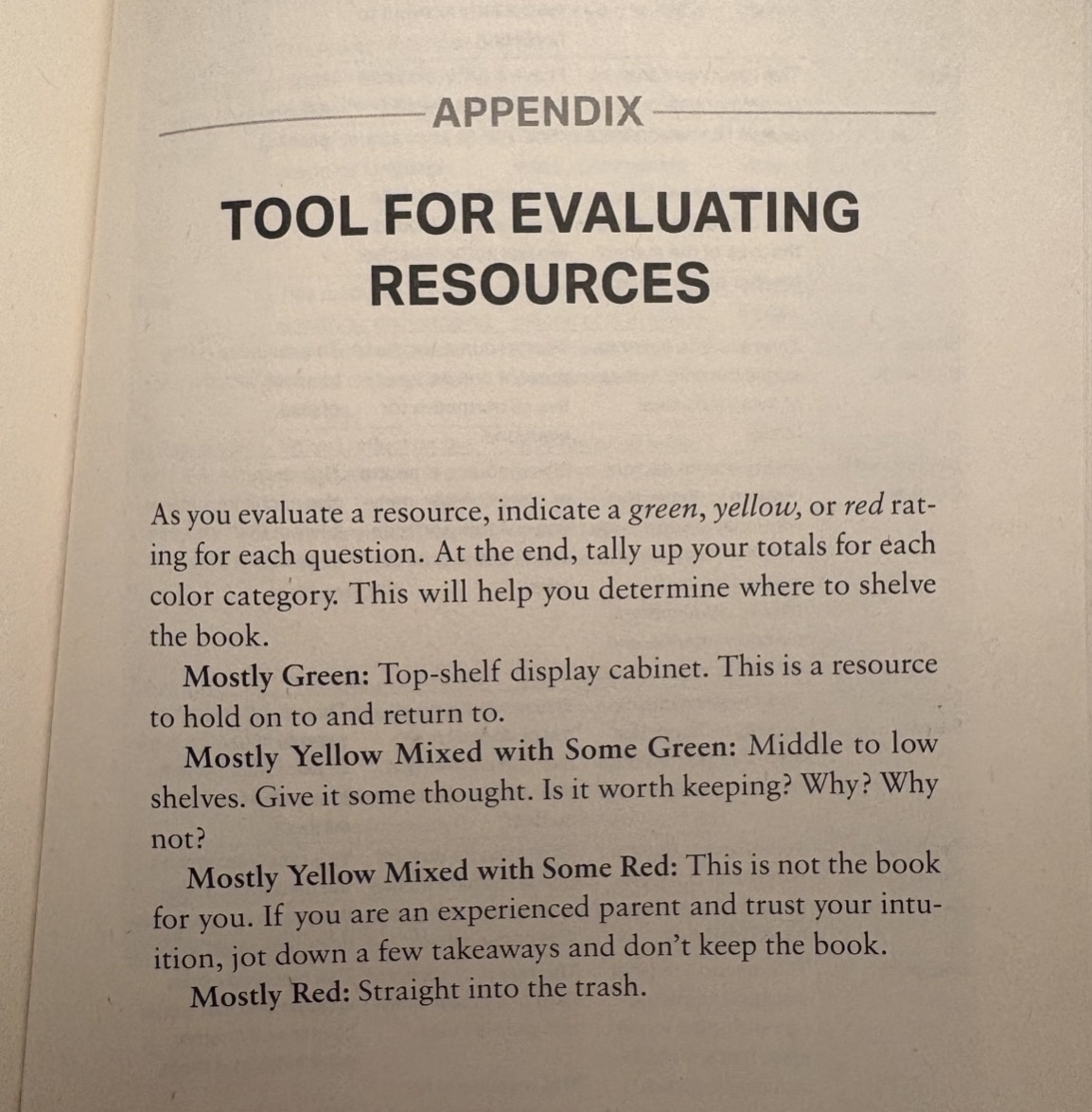
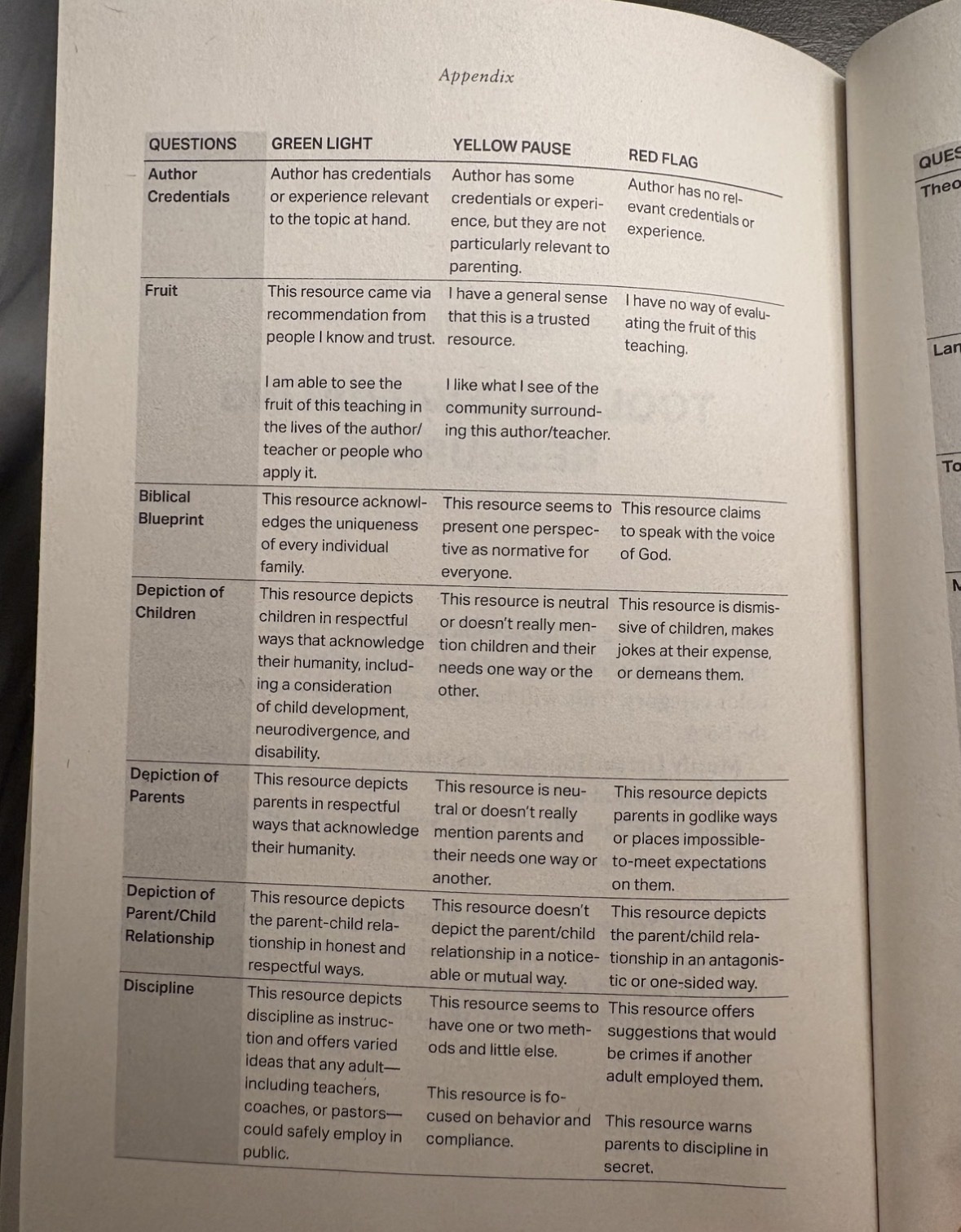
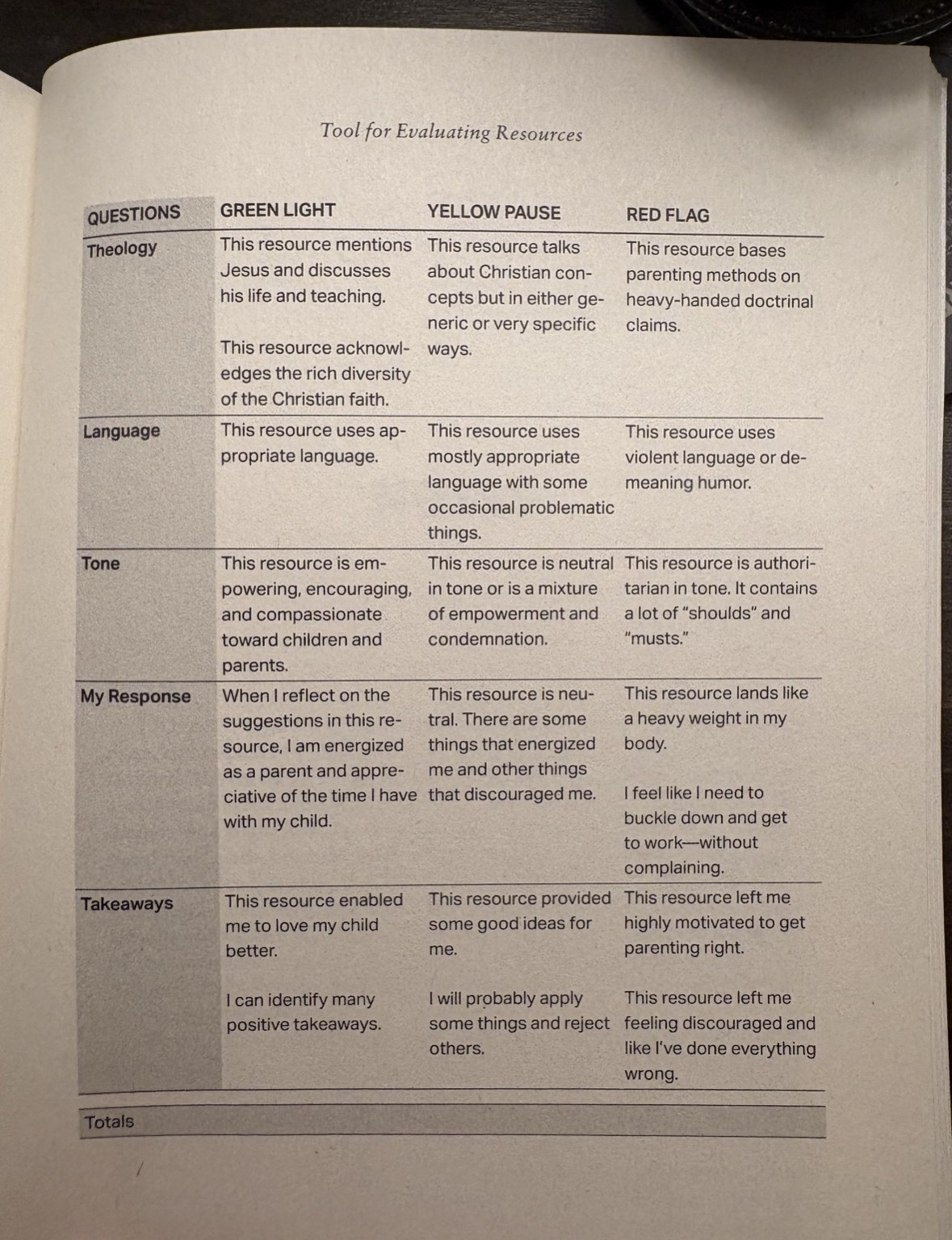
The final chapters offer advice on how Christian communities could learn from past mistakes, pick up the pieces, and seek reconciliation between parents and their children. Marissa and Kelsey take the time to acknowledge interviewees who have felt they turned out fine, plus some complex situations where two or more siblings were impacted very differently by the same practices. The authors are thankful for those better outcomes and say their stories matter too. That being said, they want their book to ensure those who have been gravely harmed also have their side of the story heard. They also hope for grace and reconciliation amid family estrangement, kids abandoning Christianity after their abusive upbringing, and regretful parents fearing their kids may repeat those cycles. Finally, instead of telling readers to replace one set of popular Christian parenting books with another set to treat as Gospel, Marissa and Kelsey give tips to help readers compile their own group of Christian parenting resources to trust. The following appendix includes a rubric identifying red/yellow/green flags to look for, of which I will include photos.
While I found it a great read overall, I would have liked more details in a few areas. Regarding the Book of Proverbs’ controversial “rod” verses, Marissa and Kelsey have shared videos, articles, and podcasts where they present many additional arguments against the reading of such verses as promotions of corporal punishment. For a Christian who is used to such interpretations of Proverbs, it would have been very helpful to include more of those arguments in the book, so they can see that controversy fully addressed without having to go elsewhere. Also, the authors mainly rely on principle-based arguments and individual testimonies. While they do cite and summarize some studies on the negative correlations of such upbringings, a person who bases their opinions on raw data and statistics might be left wanting more. However, in their defense, they affirm it is difficult to ethically study such practices, in a way that also isolates each independent variable. Thus, it is harder for ideal all-encompassing studies to be compiled.
I also think the authors’ arguments would have been strengthened, if they showed more views from Catholics which contrast those of the American Protestants they critiqued. Saints like John Bosco and Mother Cabrini spent their lives educating at-risk children, and their philosophies would enrich Marissa and Kelsey’s arguments. Regarding corporal punishment, the Catholic Church has not formally declared all forms to be either inadmissible or intrinsically evil, so opinions have varied. However, many Catholic leaders and institutions have moved away from physical discipline of children. For example, Archbishop Gregory Aymond successfully removed corporal punishment from the last American Catholic schools to still practice it. Also, the work of Catholic family counselor and author Dr. Gregory Popcak helped influence the Catholic South African Bishops’ Conference to stand against child corporal punishment. Finally, the stated myths thrive in part due to a heavy bias against arguments and research that contradict Fundamentalist views of the Bible. The official Catholic Catechism’s paragraph 159 offers an antidote to this mindset: “Though faith is above reason, there can never be any real discrepancy between faith and reason. Since the same God who reveals mysteries and infuses faith has bestowed the light of reason on the human mind, God cannot deny himself, nor can truth ever contradict truth. Consequently, methodical research in all branches of knowledge, provided it is carried out in a truly scientific manner and does not override moral laws, can never conflict with the faith, because the things of the world and the things of faith derive from the same God”.